Small bathrooms can feel cramped, but with thoughtful planning you can create spaces that feel larger, calmer, and more functional. This guide distills expert design principles into practical small bathroom ideas that blend aesthetics with durability, water resistance, and everyday usability. Whether you are remodeling a powder room or upgrading a master bath, the focus is on efficiency, light, and cohesive materials that stand up to moisture and wear.
Smart layout ideas for tiny bathrooms
Layout matters more than square footage. The goal is to maximize footprint while preserving comfortable movement. Start by mapping traffic flow and identifying what to combine or relocate. In most cases a walk in shower, a compact toilet, and a slim vanity offer the best balance of space and function. Consider a pocket door or a door that swings out of the way to reclaim precious inches for fixtures and storage.
Choose a space efficient layout
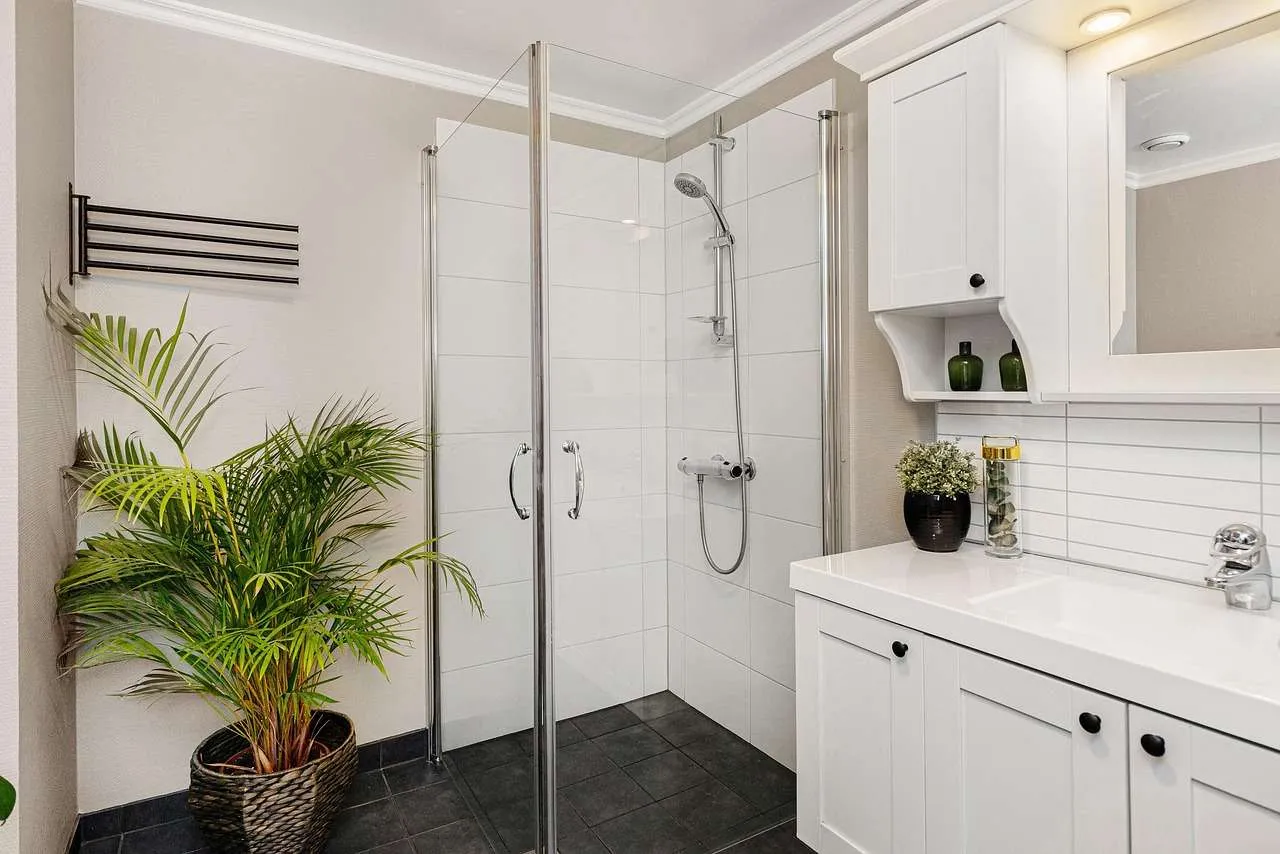
Walk in showers with frameless glass visually expand the room and reduce visual clutter. A corner sink or a wall mounted vanity creates air beneath the vanity, making the floor appear larger. If possible, position the toilet behind a short partition or a recessed niche to keep the primary path open. For small baths, prefer single activities zones and avoid creating narrow corridors that disrupt flow.
Vanity, storage and organization
Smart storage is the backbone of small bathroom ideas. Choose a floating vanity to reveal floor space and reflect light, and pair it with a wall hung toilet if feasible. Recessed niches in the shower surround provide storage without adding bulk. Use tall, slim cabinets or medicine cabinets with mirrored fronts to double as storage and a reflective surface that enhances brightness. Vertical storage keeps countertops clear and helps maintain a tidy appearance.
Materials that stay tidy and durable
Opt for moisture resistant materials such as porcelain tile, quartz, or solid surface countertops. Large format tiles minimize grout lines and create a seamless feel. Choose finishes with low maintenance requirements and proven water resistance. A cohesive material palette across floors, walls and shower helps the space feel more expansive and coherent.
Color, lighting and visual tricks
Light colors and consistent materials create continuity that visually enlarges a small bath. Use a pale base palette with one accent color carried through towels or accessories to avoid a cluttered look. Mirrors amplify light; install a large reflective surface or two to double the perceived size. Layer lighting with ambient ceiling fixtures plus task lighting around the mirror and vanity to eliminate shadows and improve usability during grooming tasks.
Lighting and mirrors that make a difference
Choose damp-rated fixtures and ensure color rendering is high for true skin tones. Position lighting to avoid glare on mirrors. A frameless mirror or mirrored cabinets help bounce light more effectively, while integrated LED strips under cabinets offer gentle guidance at night without overpowering brightness.
Fixtures, hardware and accessories
Compact fixtures are essential in small bathrooms. Consider a corner or compact shower, a slim profile vanity, and a wall hung toilet. Choose hardware with a satin or brushed finish that hides water spots and fingerprints. Valance-free window coverings or frosted glass can improve privacy without breaking the streamlined look.
Accessibility, safety and maintenance
Design with accessibility in mind by ensuring grab bars are integrated into the design and accessible without feeling clinical. Non slip flooring, rounded edges on countertops, and easy access to storage reduce the risk of accidents. Regular maintenance with moisture resistant finishes and proper ventilation prevents mold and keeps the bathroom looking fresh longer.
Budgeting and planning
Effective budgeting begins with a clear scope and a staged plan. Prioritize waterproofing, durable fixtures, and a plan that reduces future maintenance. Consider starting with a smaller scope such as a vanity and shower upgrade, then phase in lighting and storage improvements. Investing in quality fixtures saves money over time through reduced wear and better water efficiency.
Quick comparison of compact options
| Option | Pros | Cons |
|---|---|---|
| Walk in shower with frameless glass | Open feel, easier cleaning, accessible | Requires thorough waterproofing and space planning |
| Wall hung toilet + floating vanity | Creates airiness, simpler cleaning under fixtures | Higher installation cost and carpentry considerations |
| Pocket door | Keeps door area out of the flow, saves space | Requires remodeling and framing adjustments |
Implementation checklist
- Define a single focal point and keep colors and finishes cohesive
- Choose fixtures that maximize viewable space and storage
- Plan for moisture control with venting and moisture resistant materials
- Match hardware finishes for a polished look
- Test lighting layers before final installation
Conclusion, small bathroom ideas revolve around optimizing layout, boosting light, and integrating smart storage with durable materials. By choosing compact fixtures, cohesive finishes, and thoughtful lighting, you can transform a cramped bathroom into a calm, functional retreat that still feels stylish and timeless.